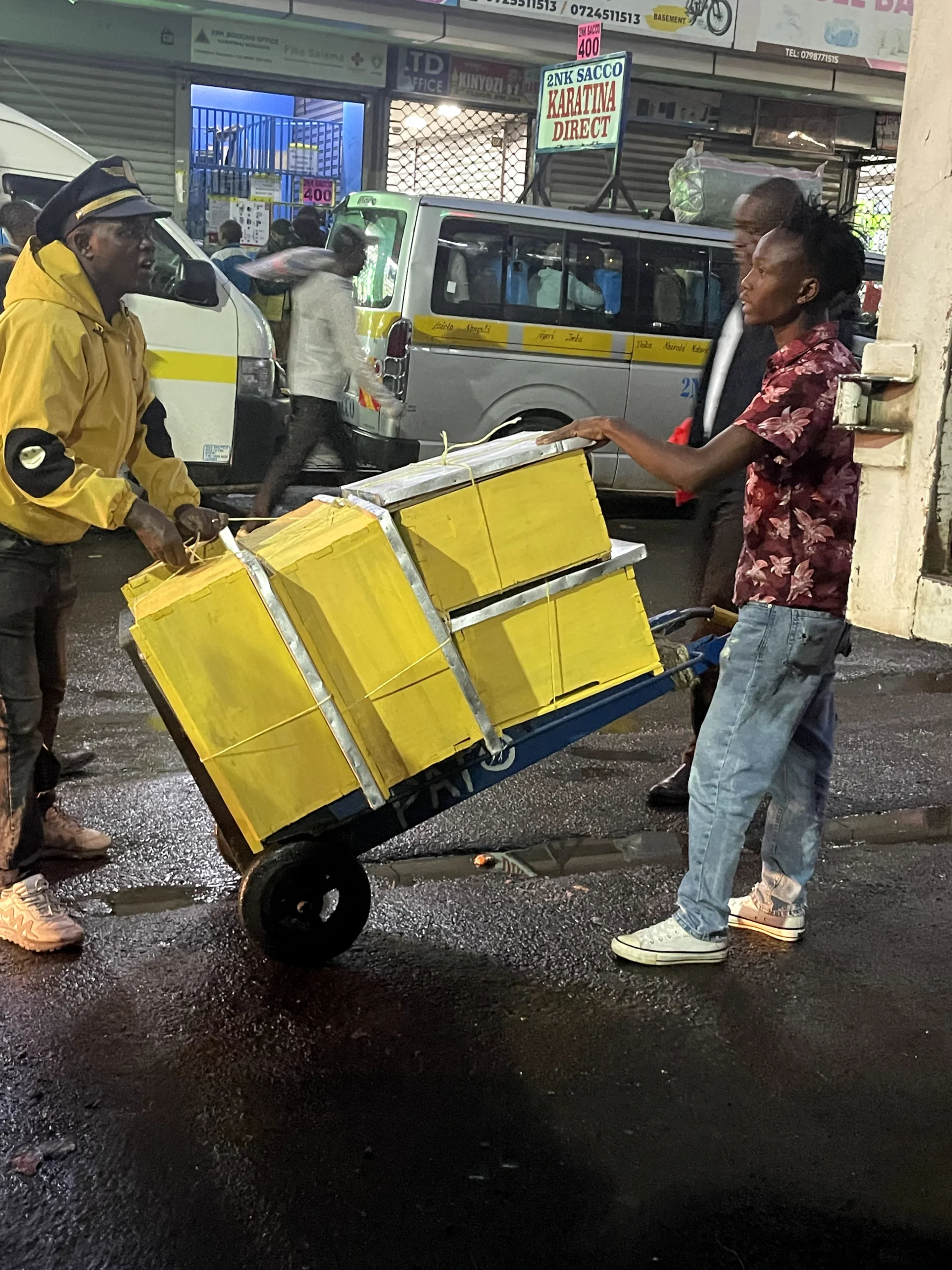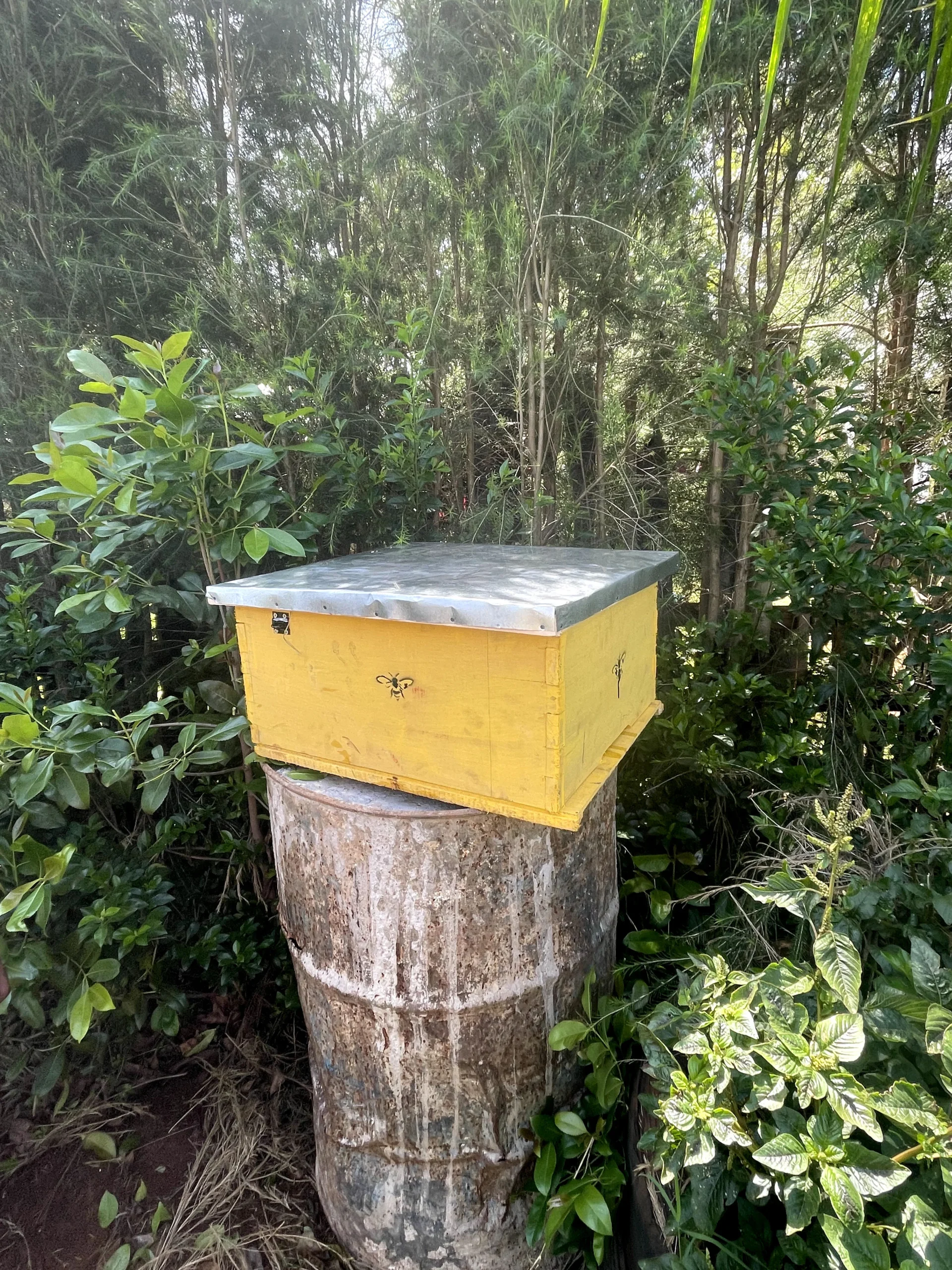

I quit my engineering job, packed two suitcases, and moved to Kenya because I wanted to build something real—something that mattered to people on the ground, not just on paper. Honey Unchained began with conversations under avocado trees, long rides on boda-bodas, and afternoons spent learning from beekeepers who had skill, dedication, and ingenuity but not always the tools, systems, or support to turn their craft into stable income.
I’ve learned more from the field than any classroom could offer—Kenyan beekeepers, Indian manufacturers, local makers, supply-chain workers, and mentors across the global south have shaped the way I design. And I’m committed to staying a student always.
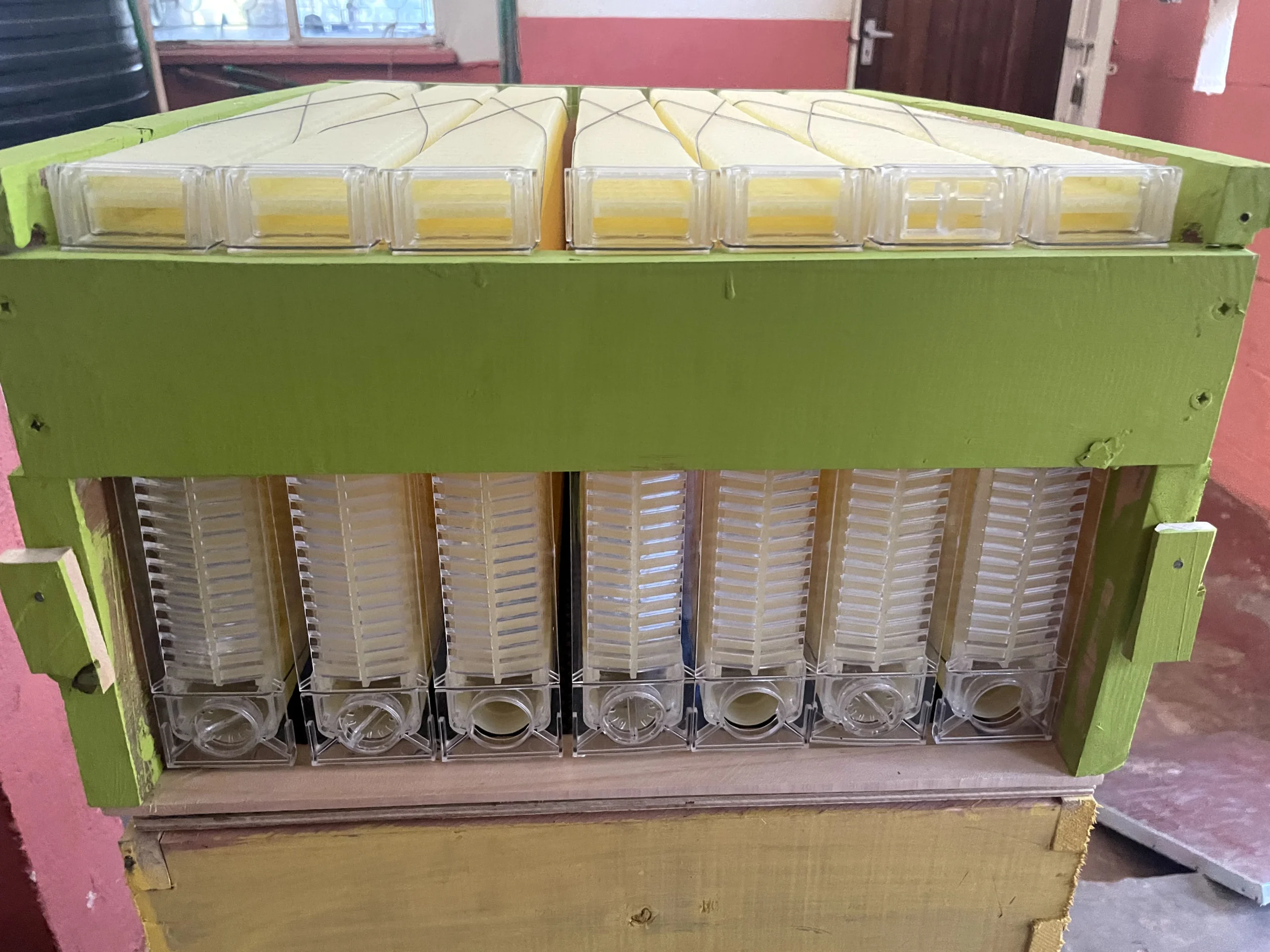
Working directly in rural communities, I began designing hive systems, testing Flow Hive–inspired frames, and collaborating with makers and farmers who have since become true partners in this work. The result is a fair-trade beekeeping venture that increases income, reduces labor, and helps families grow generational wealth.
Honey Unchained is evolving, too. We’re exploring a branch in India where manufacturing is more cost-effective, and building out supply-chain solutions, micro-financing pathways, and accessible tools that support beekeepers from production to market.
This journey has shaped the way I design, the way I listen, and the way I build. It’s a journey I want to continue through the Master of Design program at Stanford.